The Rise of Online Shopping in the UK
Online shopping has transformed British retail over the past decade. UK online retail sales now account for approximately 26% of all retail spending, and this figure grows annually. Millions of shoppers browse online each week, particularly for clothing where the selection is genuinely vast.
The appeal is straightforward. You can shop at 2am in your pyjamas, compare prices across dozens of retailers instantly, and receive your order within 24 to 48 hours in most cases. Major retailers like ASOS, Boohoo, and Shein have built their entire business around this convenience, offering free delivery thresholds that make single-item purchases worthwhile. Delivery has become genuinely competitive, with same-day options now available in major cities.
Returns processes have matured significantly. Most online clothing retailers now offer free returns within 30 days, so you can try items at home without financial risk. This removes a major barrier that kept many shoppers on the high street just a decade ago.
High Street Shopping Remains Popular for Good Reasons
Despite online growth, British high streets continue to draw shoppers for reasons that digital channels cannot match. Physical stores generate approximately 74% of UK retail sales, showing that the high street remains the dominant shopping method for many.
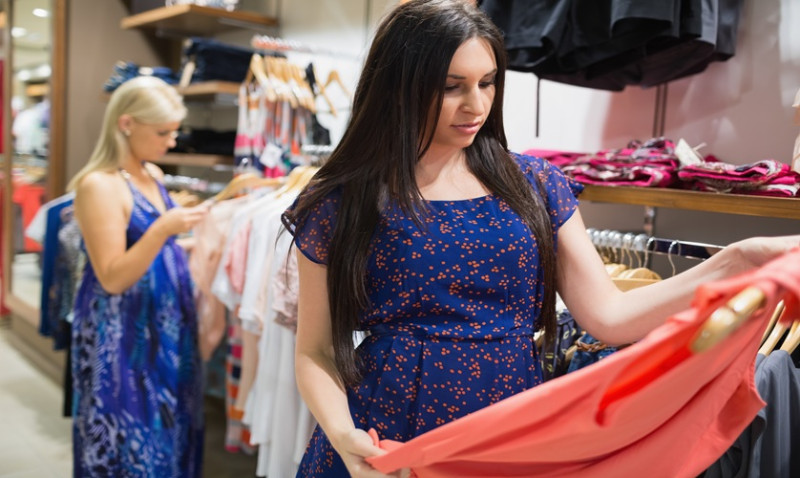
The physical experience matters more than online retailers acknowledge. You can feel fabric quality, check colours under natural light, and try items on immediately. If something doesn't fit, you know instantly and can grab a different size from the rail without returning to your computer.
High street shopping also offers social benefits that go beyond buying things. Shopping with friends remains a popular weekend activity, and browsing physical stores creates discovery moments that online algorithms cannot fully replicate. Local independent boutiques offer curated selections and personal service that chain stores and online platforms struggle to match.
Key benefits of high street shopping include:
- Immediate possession of items without delivery waiting times
- No return postage costs if items are unsuitable
- Face-to-face assistance from trained staff members
- Ability to shop across multiple brands in one location
- Certainty about colour accuracy and garment condition before purchase
Cost Comparison: Where Does Your Money Go Further?
Pricing is one of the most significant factors in the online versus high street decision. Online retailers operate with substantially lower overhead costs since they do not maintain expensive physical store networks across the country. Rent, staffing, and utilities for a flagship store on Oxford Street cost far more than operating a distribution warehouse on the outskirts of Manchester.
This cost advantage often translates into lower prices. ASOS regularly undercuts high street prices on comparable items by 15-25%, whilst discount online operators like Boohoo and Shein push prices even lower. However, this is not the whole picture.
High street stores run frequent promotions that make their effective prices competitive. Many shoppers time purchases around sale periods, knowing that a £60 dress will become £35 within four weeks. Online retailers also run constant promotions, but timing varies and discounts differ. A garment might be cheaper on the high street one week and online the next.
Additional cost factors affect the true price comparison:
- Delivery costs: Online shops typically charge £3-£5 per order unless you meet free delivery thresholds (usually £35-£50)
- Return postage: Whilst free in most cases, returning multiple items accumulates environmental cost even if not financial cost
- Travel costs: High street shopping involves petrol, public transport, or parking expenses that add genuine cost
- Impulse purchases: Physical stores encourage additional buying that online shopping somewhat reduces
Returns, Complaints and Customer Service Differences
The returns experience differs between shopping channels and significantly impacts satisfaction. Online retailers must excel at returns handling since customers cannot inspect items beforehand. Most major retailers now operate multiple returns methods: by post, via Collect+ points, through Argos or Sainsbury's locations, or increasingly through direct courier pickups from your home.
High street returns are straightforward. Walk into the shop, explain the problem, and usually receive an immediate refund or exchange. This instant resolution appeals to shoppers who value their time. No waiting for Royal Mail, no tracking numbers, no worrying whether the package will arrive safely.
Customer service quality varies widely in both channels. Online retailers employ substantial customer service teams handling email, chat, and phone enquiries, though response times can stretch to 48 hours during peak trading periods. High street staff offer immediate assistance but may lack product knowledge depending on the retailer.
For minor issues, complaint resolution speed favours the high street. Faulty seams, colour mismatches, or sizing problems resolve instantly with in-store staff. Online platforms sometimes require photographic evidence and email exchanges that extend resolution timelines to several days.
Selection, Range and Exclusive Availability
Online shopping provides access to dramatically larger selection. A high street store might stock 200 different dress styles across all sizes, whilst ASOS displays over 15,000 dresses at any given moment. This difference fundamentally changes the shopping experience for those seeking variety.
Many brands operate exclusive online ranges unavailable on the high street. Brands like Missguided, PrettyLittleThing, and In The Style sell primarily online, meaning high street shoppers never see these options. Conversely, independent high street boutiques stock items impossible to find online, creating genuine exclusivity in both directions.
Size range availability also differs. Online retailers maintain substantially larger size ranges. A high street store might stock sizes 6-16 in limited quantities, whereas the same retailer online offers sizes 4-26 with restocking mechanisms. This matters significantly for shoppers with non-standard sizes who face consistent frustration on the high street.
Seasonal considerations affect availability too. Summer clothing is often harder to find online in August when retailers have already shifted focus to autumn ranges, whereas high street shops continue stocking summer items longer to clear physical inventory.
The Hybrid Shopping Approach
Many shoppers now combine both methods rather than committing entirely to one. You research online, check reviews and sizing information, then either purchase online or visit high street stores armed with knowledge. This approach leverages the strengths of both platforms.
Most major retailers now recognise this reality and enable cross-channel shopping. Order online and collect from your local store within hours, avoiding delivery costs and postage delays. Alternatively, try items in-store then purchase online at lower prices later using discount codes discovered through email newsletters.
This flexibility appeals to time-pressed shoppers balancing work commitments with shopping needs. Purchase online when convenient, collect when nearby, return through whichever method feels easiest. The distinction between "online shopping" and "high street shopping" increasingly feels outdated when most retailers operate integrated systems.
Making Your Final Decision
Neither online nor high street shopping is objectively superior. Your choice depends on personal priorities, budget constraints, and lifestyle factors. Time-poor professionals with stable sizing might find online shopping invaluable. Social shoppers who enjoy the experience and lack time pressure might strongly prefer the high street. Many people genuinely need both depending on circumstances.
Consider what matters most to you: cost savings, time efficiency, product certainty, immediate possession, or customer service quality. Different people weigh these factors differently, and retailers acknowledge this by offering genuine choice.
To find the best deals and options across both channels, compare quotes from 3 providers by visiting our comparison tool. See which retailers offer the best prices, delivery options, and return policies for your specific clothing needs.
Frequently Asked Questions
Is online shopping cheaper than high street shopping?
Online retailers typically offer lower prices due to reduced overhead costs, with savings of 15-25% common on comparable items. However, high street stores run regular promotions that can make prices competitive. You should factor in delivery costs (£3-£5) and return postage when comparing.
Can I return online purchases easily?
Yes, most major online retailers offer free returns within 30 days. You can return by post, via Collect+ points, through supermarket locations, or via home courier collection. High street returns are faster if you need immediate resolution.
What's the advantage of shopping on the high street?
You can check fabric quality and colour accuracy, try items on immediately, take items home instantly, and receive face-to-face customer service. You also avoid delivery waiting times and return postage.
Do online retailers stock more sizes than high street shops?
Yes, online retailers typically stock much larger size ranges, often 4-26, compared to high street stores which usually stock 6-16. This is particularly important if you wear non-standard sizes.
Should I shop online or on the high street?
This depends on your priorities. Choose online if you value cost savings and convenience. Choose the high street if you prefer certainty about products and immediate possession. Many shoppers use both methods depending on their needs.
Compare Clothing Retailers Today
Get quotes from multiple retailers and find the best prices, delivery options, and return policies for your clothing needs. Use our comparison tool to see which retailers offer the best value for you.
Compare NowTrending articles
- How to Get More Clothes Shopping Work ... Feb 2026
- How Much Does Clothes Shopping Cost in ... Feb 2026
- How to Find Sustainable Clothing in ... Feb 2026
- Online vs High Street Shopping UK: ... Feb 2026
- Best Clothes Shops UK 2026: Complete ... Feb 2026
-
 Top Tips for Choosing the Right ...
Jun 2025
Top Tips for Choosing the Right ...
Jun 2025